Moe Berg never looked like a legend. He wasn’t a slugger, didn’t pile up All-Star selections, and never heard his name in Hall of Fame debates. Yet Berg may be the most extraordinary figure in Major League Baseball history—not because of what he did on the field, but because of what he did in the shadows.
For years, Moe Berg was known simply as a light-hitting catcher with a sharp mind. Decades later, the world learned the truth: Berg was also a World War II spy, trusted with a mission that could have altered the course of history.
A Catcher Unlike Any Other
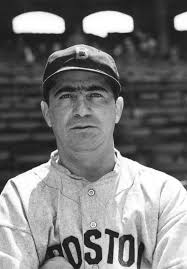
Berg played 15 MLB seasons from 1923 to 1939, suiting up for the Brooklyn Robins (Dodgers), Chicago White Sox, Cleveland Indians, Washington Senators, and Boston Red Sox. His career numbers—.243 batting average and eight home runs—were modest —but teammates valued him for his defense, preparation, and intelligence.
What separated Berg from every other catcher of his era was his mind. He graduated from Princeton University, was elected to Phi Beta Kappa, and then earned a law degree from Columbia. He spoke at least seven languages fluently, read constantly, and was famously reserved. While other players played cards, Berg read newspapers—in multiple languages.
Even then, he felt different. Baseball fit him physically. Intellectually, he seemed destined for something else.
Baseball’s First Brush With Espionage
In 1934, Berg joined an MLB All-Star team on a goodwill tour of Japan. While his teammates posed for photos, Berg slipped away. He climbed to the roof of a Tokyo hospital and secretly filmed panoramic footage of the city, capturing industrial zones, ports, and infrastructure.
At the time, no one thought much of it.
Years later, that footage was used by U.S. military planners during World War II.
By the early 1940s, Berg was recruited by the Office of Strategic Services (OSS)—the precursor to the CIA. His baseball career quietly faded as his intelligence work escalated.
The Mission That Defined His Life
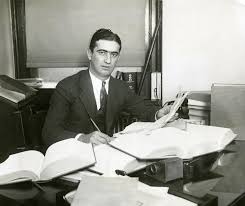
Berg’s most famous assignment came in 1944. Disguised as a civilian, he traveled to neutral Switzerland to attend a lecture by German physicist Werner Heisenberg, a central figure in Nazi Germany’s atomic research.
Berg’s orders were chillingly simple:
If he determined Germany was close to building an atomic bomb, he was to assassinate Heisenberg on the spot.
Sitting in the audience, Berg listened carefully—not just to the science, but to the confidence behind it. He concluded Germany was not close.
He didn’t pull the trigger.
That single decision may have prevented a political assassination with enormous global consequences.
When the World Found Out
During Berg’s lifetime, almost no one knew the truth. His OSS work remained classified. Teammates assumed he had taken odd government jobs. Berg himself refused to explain anything.
The full story didn’t emerge until after he died in 1972, when intelligence files were declassified and historians pieced together his wartime role. The revelation reached a wider audience in 1994 with the biography The Catcher Was a Spy—a title that felt unbelievable, yet true.
A Quiet, Wandering Final Act

After the war, Berg struggled to fit into ordinary life. He did brief consulting work for the government but disliked bureaucracy. Despite elite degrees, he never practiced law. Despite his baseball IQ, he never coached.
Moe Berg never looked like a legend. He wasn’t a slugger, didn’t pile up All-Star selections, and never heard his name in Hall of Fame debates. Yet Berg may be the most extraordinary figure in Major League Baseball history—not because of what he did on the field, but because of what he did in the shadows.
For years, Moe Berg was known simply as a light-hitting catcher with a sharp mind. Decades later, the world learned the truth: Berg was also a World War II spy, trusted with a mission that could have altered the course of history.
Moe Berg’s Enduring Legacy
On the field, Moe Berg was a catcher.
In war, he was an intelligence asset.
In history, he is something rarer: a reminder that greatness doesn’t always announce itself.
Baseball has produced stars, icons, and legends—but only one man who went from calling pitches to silently deciding the fate of the world.
And for decades, he never told a soul.